

PIENO might feel like a new chapter, but there are decades of restaurant experience behind it. We caught up with the man behind the dough to talk family business, surviving the pandemic, London, 100-hour weeks, pineapple on pizza and why opening another Neapolitan spot was never the plan.
PIENO feels like a new chapter, but your family has been in the restaurant game for a long time. What’s the story behind it?
I don’t really think of it as a legacy. A restaurant business has to move with the times, and a neighbourhood pizza place is about as far as we could go from a higher-end spot on the Rynek without losing our principles: quality, service and a genuinely great guest experience.

Your family runs a well-known restaurant on Wrocław’s Market Square. Pressure or inspiration?
Pressure — but not the kind people assume.
I joined Pod Papugami right as the pandemic hit, so my onboarding was basically survival mode. We got shut down three or four times in two years, never knowing when we’d reopen.
I always knew we’d make it. The question was what it would cost us. The real pressure was never the family name. It was not letting down the people grinding next to me.
Were you always destined for the family business, or did you try to escape it?
My first paying job was bartending at Pod Papugami at 18, but I studied something completely different and had no plan to come back.
Then the pandemic hit, and “I’ll help for a couple of months” turned into 6am farmers’ markets, deliveries and building websites.
I never tried to escape it. I just didn’t see it coming.
You spent a few years in the UK. Did that change the way you think about food?
Four years in London, with high school in Oxford before that. I was mostly bartending and doing kitchen porter shifts.
What it gave me was exposure — cultures clashing and reinventing food in real time. It taught me that food is beyond definition.
“That’s not how it’s made.” Maybe not. But if a change adds to the flavour or the story, why not?
So what brought you back to Wrocław?
I came back mid-university and my mum — 20 years in and three crises deep — basically said: “Are you stepping in, or do we close?”
So I stepped in.
Deliveries, a new website when Uber Eats barely existed here, and a sub-brand called Loro selling our dishes in jars to reheat at home. Two months turned into a career.
A few years later, PIENO felt like the natural next step.
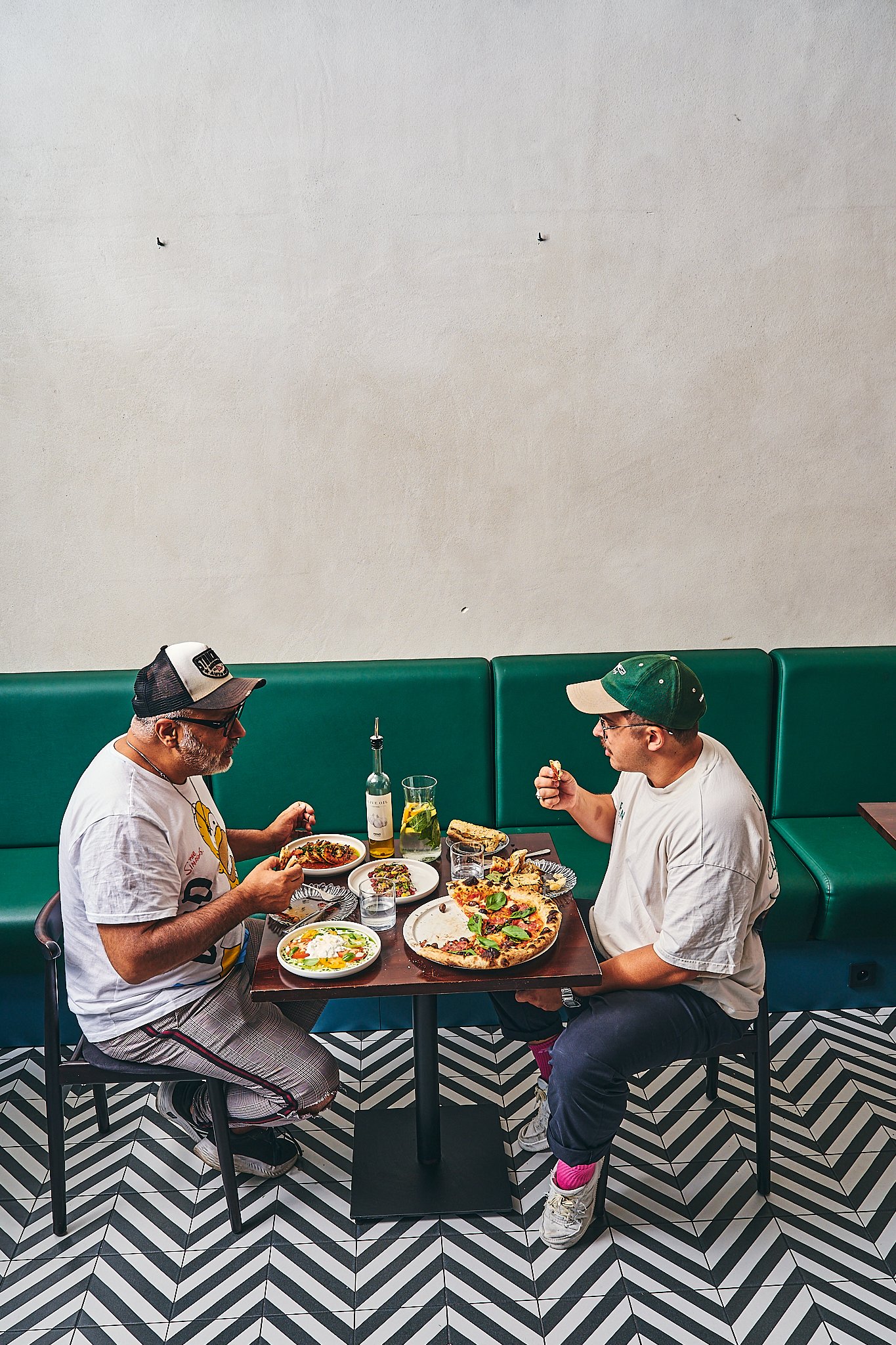
Was PIENO always the dream?
Not really. It was a business decision that formed over time.
I’d love to say it was pure love for sourdough, but it was really: “We evolve or we sink. So what’s next?”
And the answer was pizza. Why?
Everyone loves pizza, so on paper it sounds bulletproof. But let’s be honest — Wrocław’s pizza market is saturated.
We needed a genuine differentiator.
For us, that’s the dough: 48-hour sourdough fermentation, bread-like, smells incredible and doesn’t leave you feeling bloated.
Without that, I wouldn’t have touched it.

What did you think Wrocław’s pizza scene was missing?
A pizza that wasn’t strictly Neapolitan.
The goal was simple: make the best pizza we can without using exactly the same ingredients as everyone else.
What’s the biggest lie about making “simple” pizza?
That it’s simple.
Mozzarella is easy enough — get the right contacts and a direct line from Italy. Sauce, fine.
But the dough takes days. Kneading, balling, fermenting, controlling the temperature and making sure it doesn’t over-proof.
A great pizza is never simple.
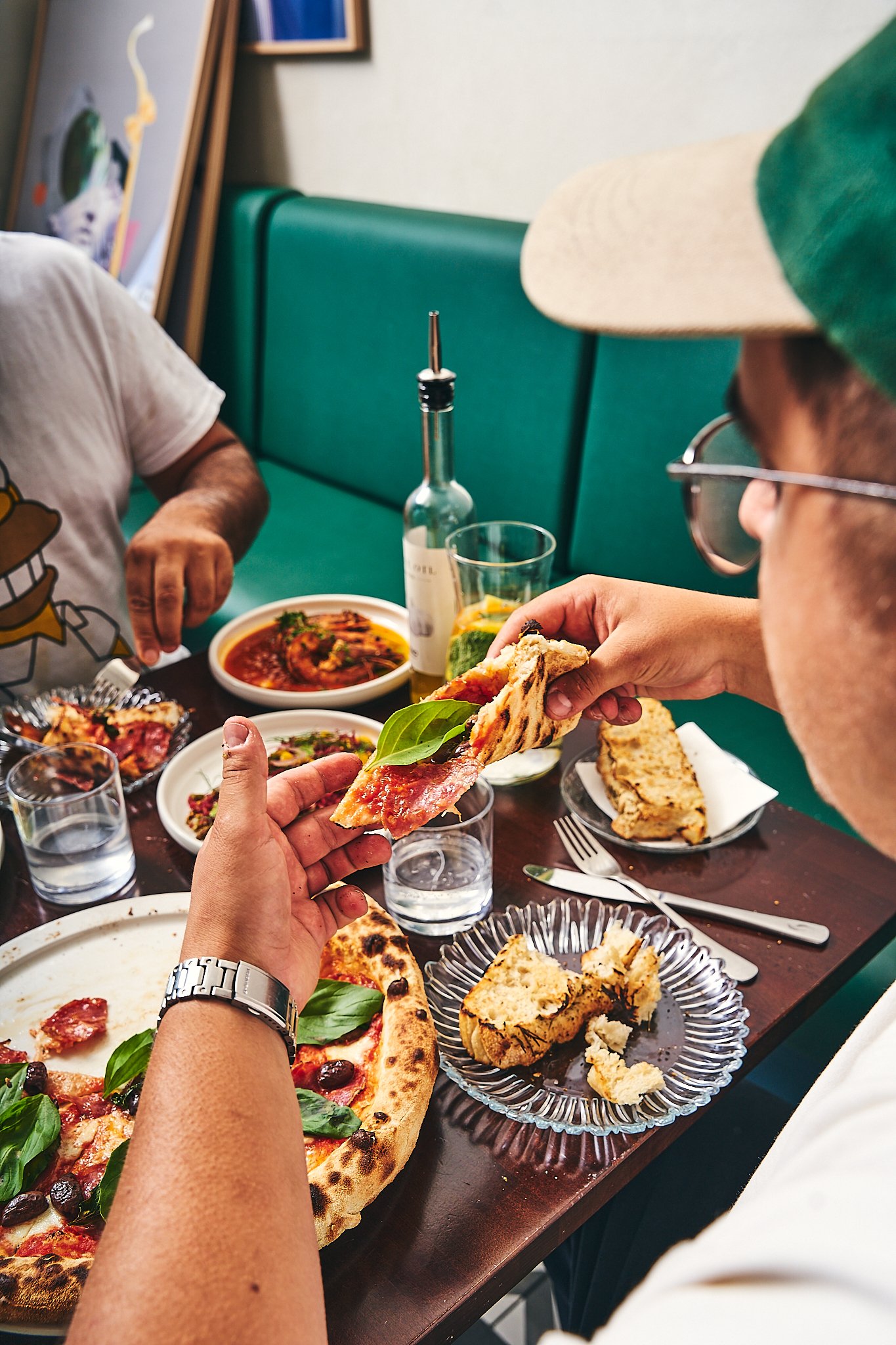
Sourdough has become PIENO’s thing. Why?
It’s not really an obsession. It’s just rare in Wrocław, and I know it’s better.
What’s harder: perfect dough or surviving a packed Friday night?
Consistency.
It takes everyone doing their job exactly right while you’re sitting on 30–40 pizzas with impatient guests waiting.
You can’t just go “pom-pom-pom.” The oven needs to recover. The dough needs its time.
What are people sleeping on when they order?
The basic stuff.
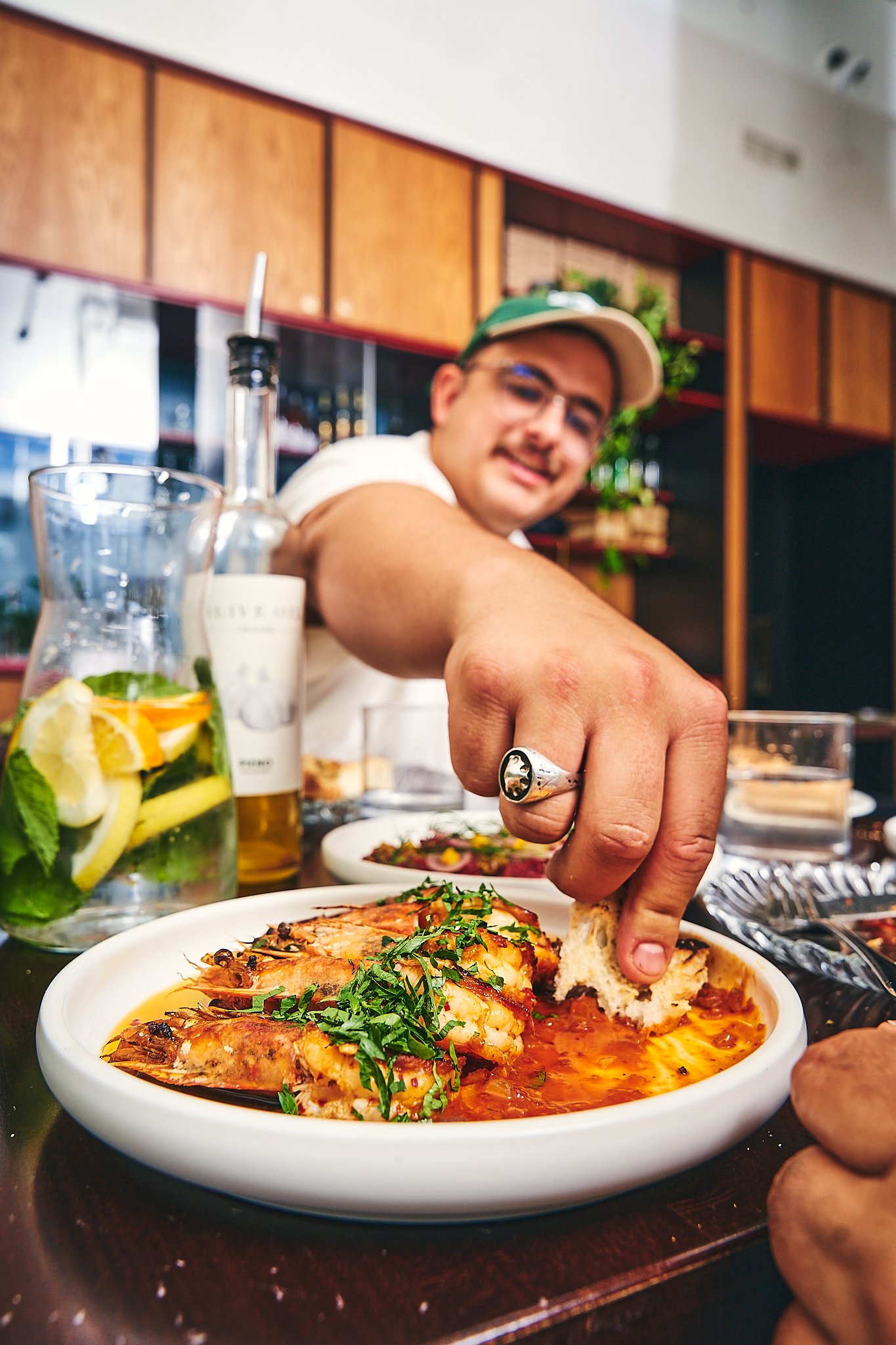
Marinara, or scacciata — no toppings, just rosemary and olive oil. Simplicity shows the work. We also love our Gamberi Grande with ‘Nduja butter, black tiger prawns, shallots and garlic, parsley! I recommend also the Beef tartare with lardo (Italian cured fatback), smoked black-garlic mayo, sous-vide yolk, borettane onions, pickled chanterelles and lovage Maggi emulsion!


And the tiramisu. We make it to order, so you get the creaminess and still have that crunch in the ladyfingers.
Biggest pizza crime?
There’s no such thing.
I’ve watched Italians put pineapple — and fries — on pizza. Birria? Chicken tikka? Why the hell not?
Pizza is a vessel for flavour, not a rulebook.
Your personal order?
Marinara with extra ’nduja and anchovies.
Salt, heat, the sourness of the dough and the sweetness of the tomatoes. Perfect.
Did working in the family restaurant actually prepare you for running your own place?
Nothing prepares you.
Monday you’re a lawyer. Tuesday you’re a cook. Wednesday you’re hacking at concrete at night trying to reach a pipe.
I’ve butchered whole sheep and worked 100-hour weeks.
The hardest part of family business is carrying a 30-year legacy under completely different conditions — and explaining that to the people who built it.
My mum and I clashed constantly. It took me a while to accept that some ideas fail simply because Wrocław isn’t the place for them.
And proving you’re not just “the owner’s kid” isn’t a milestone. It’s daily.
If I listened to my family, I wouldn’t be in this business. Ask them what to do with a restaurant and the answer is: “Nothing. Don’t.”
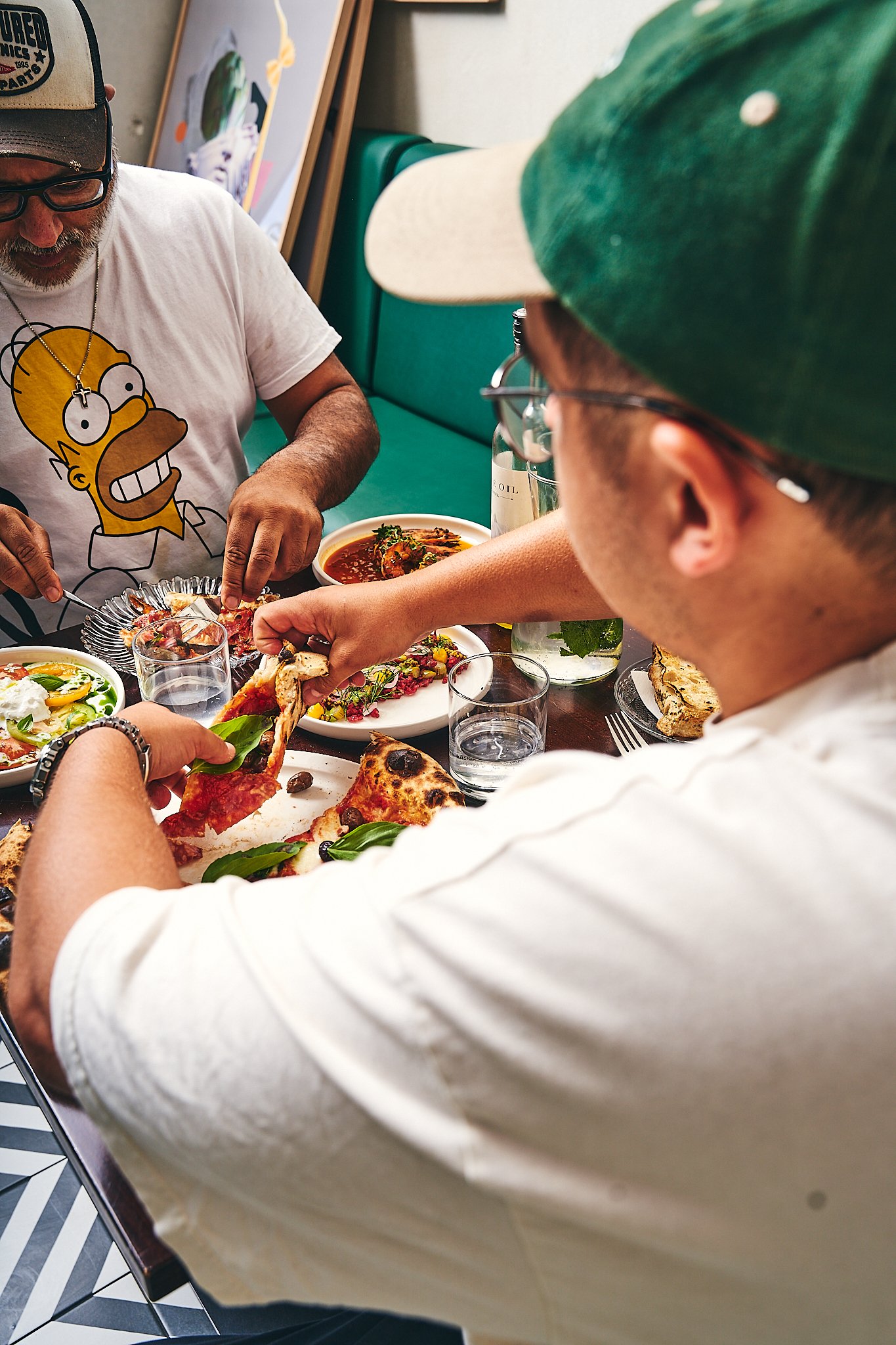
Olimpia Port isn’t the obvious restaurant location. Why there?
Wrocław lacks quality outside the centre.
We wanted to create a neighbourhood spot people can rely on every single day.
What matters more now: the food or the experience?
I learned this the hard way. I once ran a J Dilla tribute night at Pod Papugami. Wrong room. Wrong vibe.
These days, food itself probably ranks third in the whole restaurant experience. There’s marketing, influencers, TikToks that need to be funny but not too funny. Everything shifts incredibly fast.
But marketing gets someone through the door once.
The food is why they come back.
Gimmick restaurants don’t last. Quality product and solid numbers do.
Important question: how many pizzas do you actually eat?
I’m getting married soon, so I’ve slowed down.
During opening? Two a day. For months.

Finally, what do you want someone to say after their first time in PIENO?
“Fuck, that was delicious.”